


SEMOLA, SEMOLA RIMACINATA, AND SEMOLINA: WHAT'S THE DIFFERENCE?
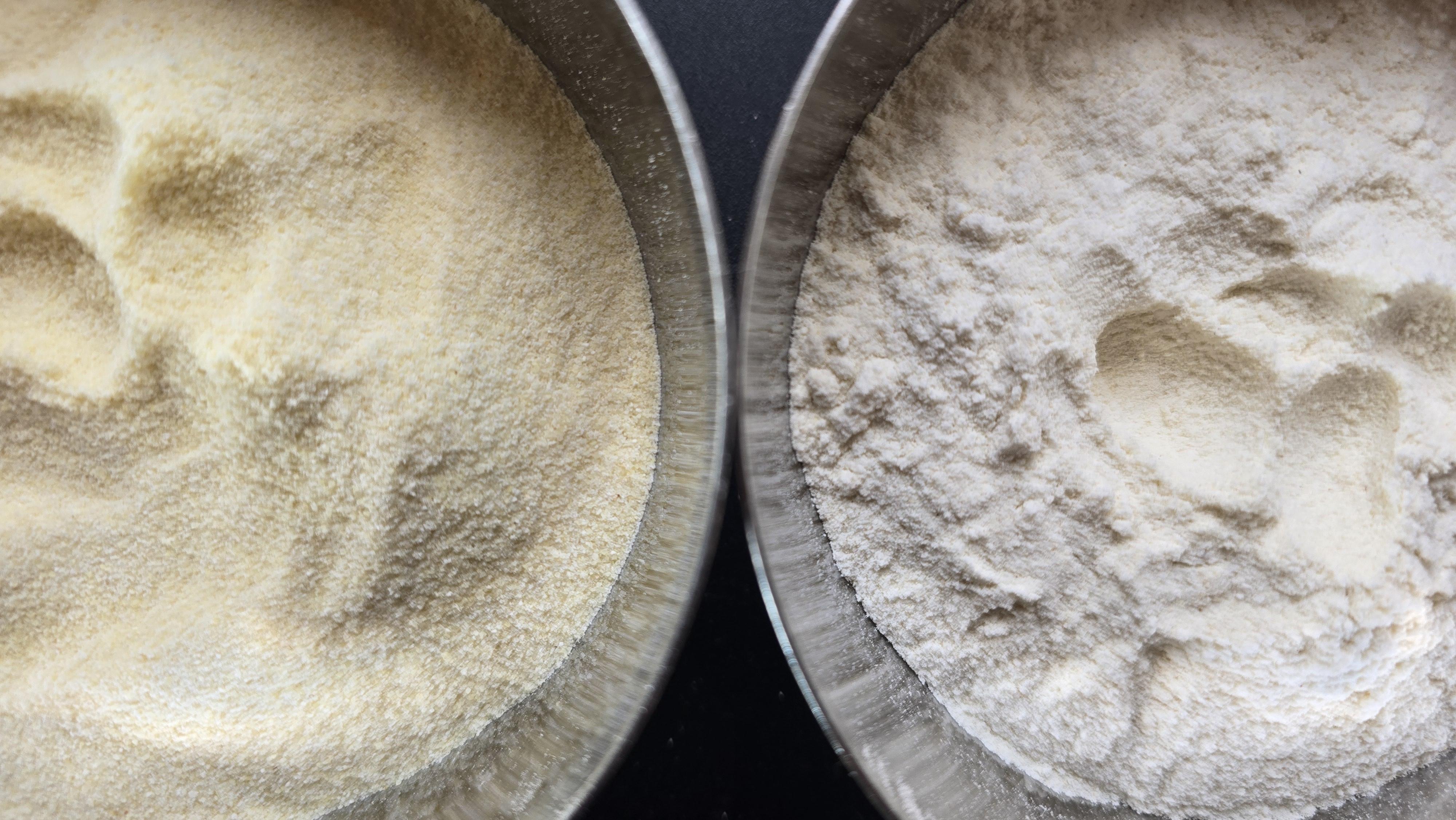
If you’ve ever tried to follow an Italian pasta recipe online, chances are you’ve come across words like semola or semola rimacinata. At first glance, they may seem like the same thing. In reality, they are not.
Understanding the difference can make a huge impact on the texture, appearance, and final result of your pasta.
So let’s clear up one of the most common flour confusions once and for all.
First Things First: They All Come From Durum Wheat
Semola and semola rimacinata are both products made from durum wheat, called grano duro in Italian.
Durum wheat is different from common soft wheat, called grano tenero, which is typically used to make 00 flour.
In Italy, durum wheat is traditionally more common in the South, while soft wheat is more commonly associated with the North.
So the main difference between semola and semola rimacinata is not the grain itself.
It’s the size of the grind.
Let’s go step by step.
1. Semola - Coarse Durum Wheat Flour
What Is It?
Semola is obtained from the first milling of durum wheat. After milling, it is sifted to remove the bran, leaving a coarse, golden flour.It has a more rustic texture, and the particles are clearly visible to the eye. When you rub it between your fingers, it feels slightly gritty, almost like fine sand.
Characteristics
Warm ivory to golden color
Noticeably granular texture
Similar to fine sand
Good bite after cooking
Slightly harder to knead compared to finer flours
Pasta World
In the pasta world, semola is commonly used for shapes made with an extruder, such as spaghetti, penne, bucatini, and many other dried pasta shapes.
It is also used for more rustic handmade shapes, such as orecchiette, fregola, foglie d’ulivo, and many traditional Southern Italian pasta shapes.
Inside our Pasta Collection technical sheets, we will always tell you which flour is traditionally used for each pasta shape.
2. Semola Rimacinata - Twice-Milled Semola
What Is It?
Semola rimacinata is obtained by milling semola a second time. The word rimacinata literally means “milled again.” This second milling creates a much finer flour. It is not as powdery as 00 soft wheat flour, but it is definitely finer and easier to work with than coarse semola.
It keeps the main characteristics of durum wheat, but with a smoother texture.
Characteristics
Light ivory to pale golden color
Finer granular texture
Smaller particles than regular semola
Easier to knead
Very versatile
In Southern Italy, semola rimacinata is used not only for pasta, but also for bread, pizza, focaccia, and many other traditional preparations.
Pasta World
In the pasta world, semola rimacinata is often used for more elaborate handmade shapes, such as lorighittas, cavatelli, busiate, and many other hand-shaped pasta formats.
Inside our Pasta Collection technical sheets, we will always tell you which flour is traditionally used for each pasta shape.
What about semolina?
This is where things can get confusing.
Join the Pasta Fam for free and discover our dedicated post about semolina, where we make a bit of order in the caos...
Join the Pasta FAM... here we talk, cook and share a lot pasta!
🔗 Join the PASTA FAM. IT'S FREE!
We are waiting for you inside.
Vallì & Dave
if you love pasta so much

WELCOME TO THE PASTA LOVERS HOUSE!
Where the magic of homemade pasta brings people together
From our home in Italy to yours... let's keep the traditions of authentic Italian homemade pasta alive, together, like a big family.


Vallì & Dave | We are Pastatarians
We make (and eat) Pasta every single day.
The most entertaining Pasta Experts from Verona. Since 2019, we 've opened the doors of our home in Verona and our Pasta Lovers House, teaching people how to have fun in the kitchen while rediscovering the flavors and tastes of the shape of pasta—within the rhythm of modern life. Welcome home! Discover more
Let's Connect



Vallì Homemade di Valentina Tosi
P.IVA IT04942980238
C.F. TSOVNT86B62E897G
Copyright 2026. Vallì Homemade. All Rights Reserved.